 Synadentix
Read the complete Synadentix label
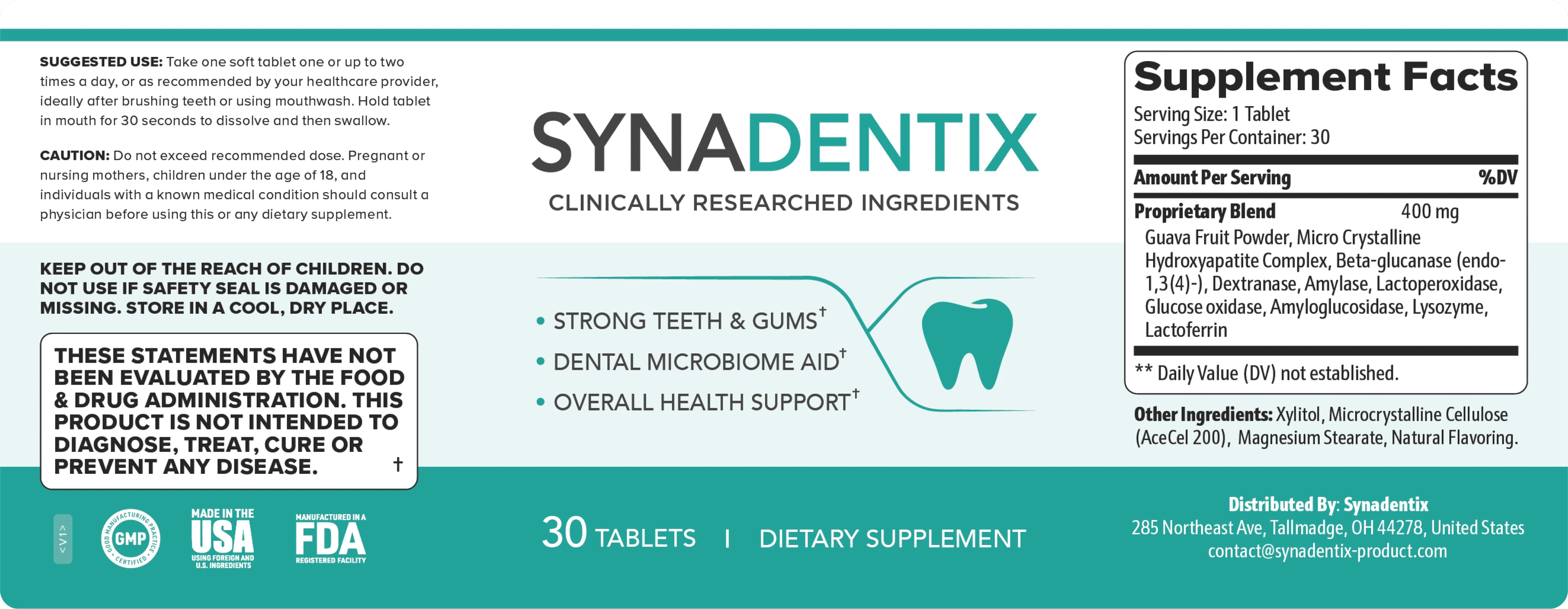
The Synadentix ingredients list contains ten components in a 400 mg proprietary blend. The serving size is one tablet, with 30 servings in a bottle. This gives you a useful starting point for comparing formulas: the tablet quantity and combined blend amount are stated, while the amount of each individual blend component is not.
The ten names are guava fruit powder, microcrystalline hydroxyapatite complex, beta-glucanase, dextranase, amylase, lactoperoxidase, glucose oxidase, amyloglucosidase, lysozyme and lactoferrin. Reading all ten is more informative than selecting one familiar ingredient and assuming it describes the whole formula. Synadentix combines several ingredient types in a single oral-support product.
Guava and the mineral component
Guava fruit powder is the botanical component named in the blend. The fruit-powder form is important: a tablet containing a powder is not the same as a serving of whole fruit. The label does not quantify a vitamin C dose or nutrient contribution from the guava, so those figures should not be assumed.
Microcrystalline hydroxyapatite complex is the mineral component. Hydroxyapatite is associated with the mineral structure of teeth, making it a recognizable ingredient in oral-care discussions. Within Synadentix, however, it forms part of a combined proprietary blend. The label does not provide an individual quantity that you could compare directly with a separately dosed mineral supplement.
These two ingredients illustrate the product’s mixed-formula approach. It is neither simply a fruit powder nor simply a mineral tablet. When evaluating it, consider the finished product, serving directions and full blend rather than treating one ingredient’s general reputation as proof of a particular result from this tablet.
The first enzyme group
Beta-glucanase and dextranase appear separately on the label. Both belong to the enzyme portion of the formula, and their separate listing should be preserved when comparing products. An enzyme blend can contain different components because enzymes have specific roles; a shorter description that combines everything as “dental enzymes” loses useful ingredient information.
Amylase and amyloglucosidase are also separate label entries. Their similar-looking names can make them easy to overlook, but they are not a duplicated spelling in the ingredient list. For anyone bringing the label to an appointment, retaining the exact names helps a professional review the actual product instead of a simplified marketing summary.
The ingredient artwork uses familiar food or powder imagery to accompany some enzyme names. That artwork is not an allergen declaration, a full list of source materials or proof that the tablet contains whole papaya, banana, honey or wheat as separately listed ingredients. The written label remains the reference for the actual formula names.
The remaining enzymes and proteins
Lactoperoxidase and glucose oxidase are two more members of the combination. The label does not state individual amounts or enzyme activity units for them. This is relevant if you are used to comparing enzyme products by activity rather than milligrams. A total blend weight cannot supply information that the product label does not disclose.
Lysozyme and lactoferrin complete the ten-item blend. They are often prominent in brief descriptions of Synadentix, but the rest of the ingredient list still matters. Knowing that a product contains one of these ingredients does not tell you its exact amount, the origin of every component or whether it meets a particular dietary restriction.
Ask product support for current ingredient-origin and allergen information if you need it. The useful question is specific to the finished tablet and the current label. Do not infer milk, egg, gluten or other allergen status solely from a stock ingredient picture, a natural-formula badge or the absence of a warning in a short promotional paragraph.
What 400 mg tells you
Four hundred milligrams is the combined weight of the proprietary blend in one tablet. It is not the weight of every ingredient separately. Nor does it establish that each component contributes one tenth of the total. The ingredient list names the components without publishing those proportions, so equal-dose calculations would be misleading.
The label also indicates that a Daily Value has not been established for the blend. This differs from a conventional vitamin panel with a percentage of a defined Daily Value. The most useful way to read the panel is as a description of this supplement’s composition, serving size and total blend weight.
If you need a precise amount of a particular nutrient or ingredient for a professionally recommended plan, show the panel to your healthcare provider. They can tell you whether the information is sufficient for that purpose. Synadentix should not be assumed to satisfy an exact nutrient target simply because one component appears in the blend.
Other ingredients are part of the tablet
The other-ingredient list names xylitol, microcrystalline cellulose, magnesium stearate and natural flavoring. These are separate from the ten components of the proprietary blend. They help describe the finished tablet and belong in any complete ingredient check, even though they do not appear as the main feature in the product’s headline.
Microcrystalline cellulose should not be confused with microcrystalline hydroxyapatite complex. The names share a word but refer to different label entries. Similarly, magnesium stearate is not a declared dose of nutritional magnesium in the Supplement Facts panel. Reading the whole name avoids a common source of confusion when scanning supplement packaging quickly.
Natural flavoring is listed without a detailed flavor composition in the product label. If you have a sensitivity to a flavoring component, product support is the right place to ask for clarification before use. A general flavor description or attractive food image cannot answer that individual ingredient question.
Use the label alongside the formula
The suggested use is one soft tablet once or up to twice daily, ideally after brushing or mouthwash, held in the mouth for 30 seconds to dissolve and then swallowed. Your current bottle and healthcare guidance should govern actual use. The serving size remains one tablet even when someone follows a two-tablet daily schedule.
The label cautions against exceeding the recommended dose and advises consultation for pregnancy, nursing, those under 18 or a known medical condition. It also instructs you to keep the product away from children and avoid using a bottle with a damaged or missing safety seal. These details are part of reading the product responsibly, not separate from the formula.
Bring useful questions to support
A focused enquiry might ask about the origin of lactoferrin, the full allergen statement or whether the latest batch label differs from the supplied panel. Include the product name and a photo of your bottle label if you already have it. Do not send payment-card information for a product-composition question.
With the full ingredient list in front of you, the formula is easier to understand: ten named blend ingredients, four other tablet ingredients, a 400 mg combined blend and 30 one-tablet servings. Use that information to compare Synadentix with your needs, then choose a package only after any personal suitability question is resolved.
Guava Fruit Powder
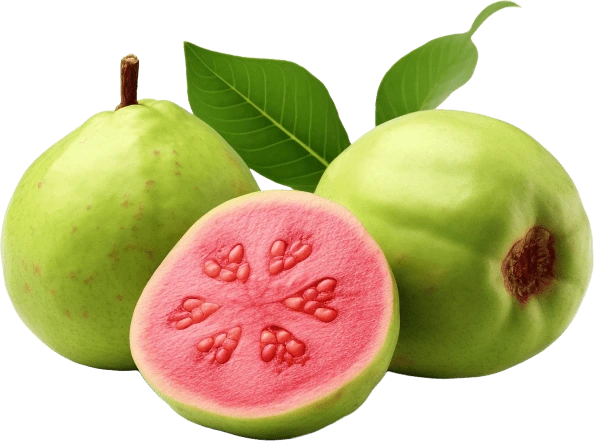
Guava brings the plant component to this botanical, mineral and enzyme blend. It is listed first among the ten proprietary-blend ingredients. The fruit-powder form is different from eating a serving of fresh guava, and the label does not assign it an individual quantity or vitamin C amount.
Microcrystalline Hydroxyapatite Complex
The mineral complex is one of the most distinctive parts of the Synadentix formula. Hydroxyapatite relates to the mineral structure of teeth, which explains its place in an oral-support blend. The tablet pairs this ingredient with enzymes and proteins; it should not be treated as a substitute for restorative dental treatment.

Beta-Glucanase
Beta-glucanase is included in the enzyme portion of the proprietary blend. Enzymes act on particular types of material, so the names identify different functions rather than interchangeable ingredients. Synadentix combines this ingredient with dextranase and other enzymes in a single tablet intended to support the oral environment alongside everyday hygiene.
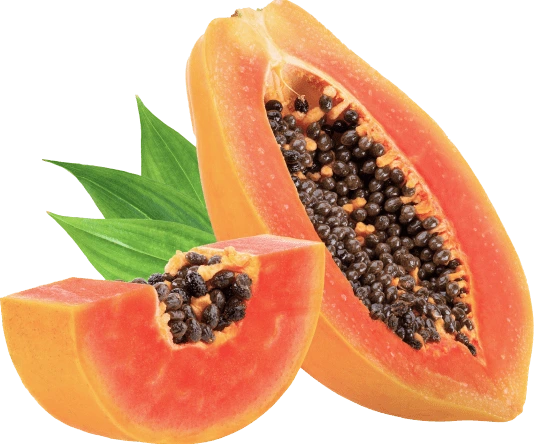
Dextranase
Dextranase adds another enzyme to the ten-ingredient formula. Its inclusion helps distinguish the blend from a basic mineral tablet or a breath mint. Synadentix is designed around oral microbiome support, with several complementary ingredient types in one serving. The label gives the amount for the complete blend rather than a separate dextranase dose.
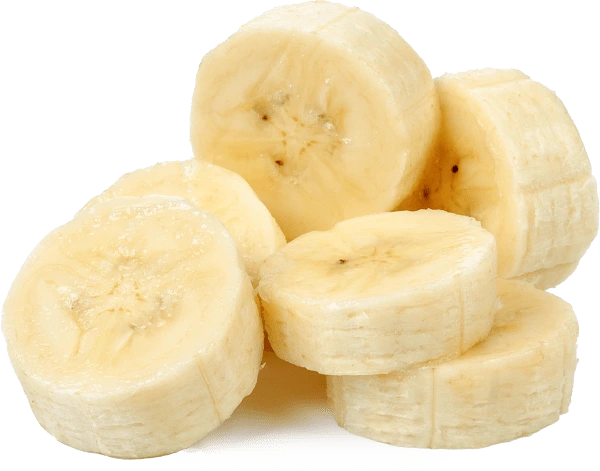
Amylase
Amylase is part of the formula’s enzyme group. The product label names it separately from amyloglucosidase, so both belong on the ingredient list. Their inclusion reflects the blend’s focus on the mouth’s everyday environment. One tablet contains the combined 400 mg proprietary blend, not 400 mg of each named enzyme.

Lactoperoxidase
Lactoperoxidase is another named enzyme in Synadentix. It sits alongside glucose oxidase, lysozyme and lactoferrin within the same formula rather than appearing as a separately dosed treatment. If ingredient origin matters because of an allergy or dietary restriction, ask product support about the finished tablet and its current manufacturing information.

Glucose Oxidase
Glucose oxidase belongs to the formula’s enzyme combination. It is a label-listed ingredient, distinct from glucose as a food ingredient and distinct from a blood-sugar product claim. Synadentix is presented for oral wellness, so the practical reason to consider the tablet remains support for teeth, gums and the oral microbiome.
Amyloglucosidase
Amyloglucosidase completes another part of the enzyme group. The name can look similar to amylase, but both are listed individually on the label and are represented here separately. This matters when comparing formulas: a short headline naming only hydroxyapatite and lactoferrin does not describe the full ten-ingredient Synadentix blend.

Lysozyme
Lysozyme is a named enzyme included with the other blend ingredients. For a buyer, the key practical detail is that it forms part of a combined oral-support product. Check the full label with your healthcare professional if you have sensitivities, because an ingredient name or a picture alone cannot establish suitability.
Lactoferrin
Lactoferrin is the final ingredient listed in the proprietary blend. It is a protein component of the formula, paired with the mineral complex, guava and enzymes. The label does not provide a separate lactoferrin amount. Bring that detail into any conversation about whether this particular blend fits your existing supplement routine.